
Introduction
Flood-prone area home insurance provides essential financial protection for homeowners living in regions vulnerable to flooding, heavy rainfall, hurricanes, storm surges, or overflowing rivers. Are you confident your home insurance policy fully protects your property from flood-related damage? Standard homeowners insurance typically excludes flood losses, making specialized flood coverage an important investment for high-risk properties. Choosing the right flood-prone area home insurance helps safeguard your home, personal belongings, and financial future from costly water damage. Understanding policy options, flood zones, coverage limits, deductibles, exclusions, and insurer differences enables homeowners to make informed decisions while protecting valuable property against unpredictable natural disasters.
Understanding Flood-Prone Area Home Insurance Coverage Benefits Clearly
Flood-prone area home insurance protects homeowners from financial losses caused by flooding that standard homeowners insurance usually excludes. Coverage may include structural repairs, foundation damage, electrical systems, plumbing, flooring, and certain personal belongings depending on policy terms. Financial protection becomes especially valuable after severe storms, hurricanes, or overflowing rivers cause extensive property damage. Understanding these benefits helps homeowners compare insurance options carefully while selecting dependable flood protection that safeguards long-term financial security and valuable residential investments.
Why Flood-Prone Area Home Insurance Matters For Homeowners Today
Flood damage can create devastating financial losses that exceed hundreds of thousands of dollars, making flood-prone area home insurance an essential safeguard for many homeowners. Even properties located outside officially designated flood zones may experience unexpected flooding due to heavy rainfall or drainage failures. Specialized flood insurance reduces financial risks while supporting faster property recovery after disasters. Understanding the importance of flood coverage encourages homeowners to protect their investments before unexpected flooding occurs.
How Flood-Prone Area Home Insurance Actually Works Today
Most flood-prone area home insurance policies provide financial reimbursement for covered flood-related damage after policyholders satisfy applicable deductibles. Coverage generally applies only after flooding meets policy definitions and waiting periods have expired. Claims adjusters inspect property damage before insurers determine eligible reimbursement according to policy limits. Understanding how flood insurance works helps homeowners compare coverage options while preparing financially for future flood-related emergencies and protecting long-term property investments.
Comparing National And Private Flood Insurance Programs Carefully
Homeowners researching flood-prone area home insurance should compare government-backed flood insurance programs and private insurance companies before purchasing coverage. Government policies often provide standardized protection, while private insurers may offer higher coverage limits, broader benefits, and additional customization options. Comparing premiums, deductibles, exclusions, claim services, and policy flexibility helps consumers identify stronger financial protection. Understanding available insurance options supports informed purchasing decisions while maximizing flood recovery assistance.
Understanding FEMA Flood Zones Before Buying Insurance Coverage
Flood zone classifications significantly influence flood-prone area home insurance eligibility and premium costs. Properties located within high-risk flood zones generally require higher insurance premiums because flooding occurs more frequently. Flood maps developed through official risk assessments help homeowners understand local exposure before purchasing insurance. Understanding flood zone designations enables consumers to compare coverage accurately while selecting appropriate protection that reflects their property’s actual flood risk and long-term financial needs.
Choosing Appropriate Flood Insurance Coverage Limits Carefully Today
Selecting proper coverage limits remains one of the most important decisions when purchasing flood-prone area home insurance. Homeowners should evaluate rebuilding costs, property values, structural improvements, and personal belongings before determining policy limits. Insufficient coverage may leave significant out-of-pocket expenses following major floods, while excessive limits may increase premiums unnecessarily. Understanding coverage calculations helps homeowners balance affordability with comprehensive financial protection against severe flood-related property damage.
Building Coverage Protecting Home Structures From Flood Damage
Structural protection forms the foundation of flood-prone area home insurance by covering damage to foundations, walls, electrical systems, plumbing, heating equipment, permanently installed flooring, and attached garages after qualifying flood events. Repairing flood-damaged structures often requires significant financial resources without specialized insurance. Understanding building coverage helps homeowners compare policy options effectively while safeguarding valuable residential investments against expensive flood-related repairs and long-term property restoration costs.
Contents Coverage Protecting Valuable Household Personal Property
Many flood-prone area home insurance policies offer separate contents coverage that protects furniture, clothing, electronics, appliances, and personal belongings damaged by qualifying flood events. Because structural and contents coverage may require separate limits, homeowners should carefully inventory valuable possessions before purchasing insurance. Understanding contents protection allows consumers to select appropriate policy limits while minimizing financial losses resulting from unexpected flood-related household damage.
Understanding Waiting Periods Before Flood Coverage Begins Effectively
Most flood-prone area home insurance policies include mandatory waiting periods before flood protection becomes effective. Waiting periods help prevent consumers from purchasing insurance immediately before expected flooding events. Coverage generally begins after the waiting period expires according to policy provisions. Understanding waiting period requirements encourages homeowners to secure insurance well before severe weather seasons while avoiding unexpected coverage delays during future flood emergencies.
Factors Affecting Flood Insurance Premium Costs Significantly Today
Several important variables influence premiums for flood-prone area home insurance, including flood zone classification, property elevation, construction type, replacement cost, deductible selection, coverage limits, and previous flood claim history. Homes located within high-risk flood zones generally receive higher premiums because of increased exposure. Understanding premium calculation factors helps homeowners compare insurers intelligently while identifying practical opportunities for long-term insurance savings.
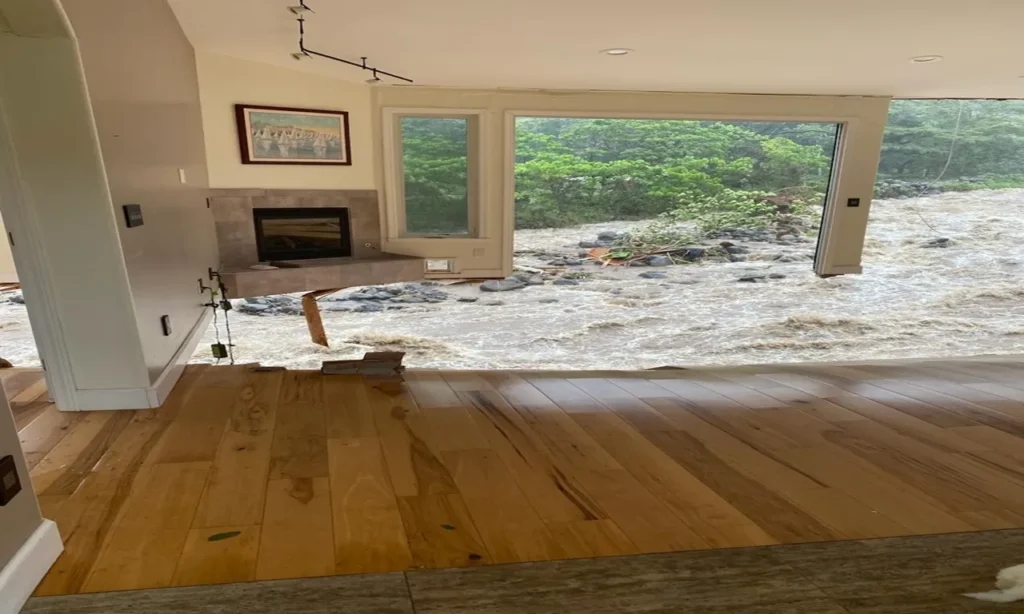
Flood Damage Commonly Covered Under Insurance Policy Benefits Explained
Most flood-prone area home insurance policies cover direct physical damage caused by rising floodwaters affecting insured structures and eligible personal property. Covered losses may include damaged flooring, walls, electrical equipment, plumbing systems, water heaters, appliances, and structural foundations depending on policy terms. Understanding covered flood damage helps homeowners compare insurance options while ensuring comprehensive financial protection against costly natural disasters.
Understanding Policy Exclusions Before Purchasing Flood Insurance Coverage
Every flood-prone area home insurance policy includes exclusions identifying losses not covered by insurance. Certain outdoor property, landscaping, swimming pools, currency, vehicles, temporary housing expenses, and preventable maintenance issues may receive limited or no protection. Carefully reviewing exclusions before purchasing coverage prevents future misunderstandings while improving claim expectations. Understanding policy limitations helps homeowners choose suitable insurance with greater confidence and stronger financial preparedness.
Choosing Reliable Flood Insurance Companies With Confidence Today
Selecting dependable insurers remains essential when purchasing flood-prone area home insurance. Before choosing a policy, homeowners should compare:
- Financial strength ratings
- Customer satisfaction reviews
- Claims payment history
- Underwriting experience
- Policy flexibility
- Disaster response capabilities
Financially stable insurance companies consistently provide dependable claims support following catastrophic flood events. Understanding insurer quality helps homeowners secure trustworthy long-term flood protection while improving confidence during future emergencies.
Available Discounts Helping Lower Flood Insurance Premium Costs
Some flood-prone area home insurance providers offer premium discounts for homes with flood mitigation improvements, elevated foundations, flood vents, drainage systems, reinforced construction, and community flood management participation. These improvements reduce overall flood risk while lowering long-term insurance expenses. Understanding available discounts encourages homeowners to invest in protective measures while maximizing financial savings and improving long-term property resilience against flooding.
Avoiding Common Flood Insurance Buying Mistakes Successfully Today
Many homeowners purchasing flood-prone area home insurance focus only on premium prices while overlooking deductibles, coverage limits, waiting periods, exclusions, contents protection, and insurer claims reputation. These oversights may create unexpected financial burdens after major flood events. Comparing complete policy features instead of monthly premiums alone helps homeowners make informed insurance decisions while maximizing flood protection, preserving property value, and ensuring long-term financial security.
Understanding Flood Insurance Claims Process After Property Damage Carefully
Filing claims under flood-prone area home insurance begins by notifying the insurance company immediately after floodwaters recede and documenting all visible damage. Homeowners should photograph affected areas, prepare detailed inventories of damaged belongings, and protect the property from additional losses whenever possible. Insurance adjusters inspect the property before determining eligible compensation according to policy terms. Understanding the claims process helps homeowners respond efficiently after flooding while maximizing claim accuracy and accelerating financial recovery following significant property damage.
Preparing Homes Before Flood Season Through Risk Reduction Strategies
Reducing flood risks before severe weather arrives strengthens protection provided by flood-prone area home insurance. Homeowners should inspect drainage systems, clean gutters, install sump pumps, elevate utilities, seal foundation cracks, and maintain proper landscaping that directs water away from structures. Preventive maintenance lowers potential flood damage while supporting faster insurance claims. Understanding seasonal flood preparation helps homeowners reduce repair expenses, improve property resilience, and protect valuable investments against increasingly unpredictable weather events.
Home Elevation Improvements Reducing Flood Insurance Premium Expenses
Elevating residential structures remains one of the most effective ways to lower premiums for flood-prone area home insurance. Raising homes above expected flood levels significantly reduces potential damage while improving insurer risk assessments. Elevated construction also minimizes structural repairs following severe flooding. Understanding elevation benefits encourages homeowners to consider long-term mitigation projects that increase property safety, reduce insurance costs, strengthen resale value, and improve financial protection against recurring flood events.
Flood Vents Improving Property Protection Against Water Pressure Damage
Installing flood vents enhances homes insured through flood-prone area home insurance by allowing floodwaters to flow through enclosed areas instead of creating destructive pressure against walls and foundations. Properly installed vents reduce structural damage during flooding while improving building resilience. Many insurers recognize approved flood mitigation measures when evaluating premiums. Understanding flood vent advantages helps homeowners protect valuable property investments while potentially qualifying for insurance savings and stronger long-term flood resistance.
Sump Pump Systems Supporting Flood Damage Prevention Successfully Today
Modern sump pump systems complement flood-prone area home insurance by helping remove water from basements and crawl spaces before serious structural damage develops. Although flood insurance covers qualifying flood losses, prevention remains equally important for minimizing repair expenses and property disruptions. Maintaining reliable sump pumps with backup power improves household flood readiness significantly. Understanding sump pump benefits encourages homeowners to combine preventive maintenance with comprehensive insurance protection for stronger financial security.
Comparing Replacement Cost And Actual Cash Value Coverage Carefully
When selecting flood-prone area home insurance, homeowners should compare replacement cost coverage with actual cash value protection. Replacement cost policies reimburse qualifying losses based on rebuilding or replacing damaged property without depreciation, while actual cash value considers age and wear before calculating payments. Understanding these valuation methods helps consumers choose policies providing sufficient financial recovery after flooding. Careful comparison strengthens long-term property protection while reducing unexpected out-of-pocket expenses during rebuilding.
Protecting Valuable Documents From Flood-Related Water Damage Safely
Homeowners covered by flood-prone area home insurance should protect essential documents before disasters occur by storing identification papers, insurance contracts, financial records, property deeds, and family documents in waterproof containers or secure digital storage. Preserving important paperwork simplifies insurance claims while reducing unnecessary stress after flooding. Understanding document protection strategies strengthens emergency preparedness and ensures faster financial recovery when severe weather causes unexpected property damage.

Emergency Preparedness Supporting Faster Flood Recovery After Disasters
Emergency planning complements flood-prone area home insurance by helping families respond quickly before, during, and after flooding. Preparing emergency kits, evacuation plans, communication strategies, and important contact information improves household safety while minimizing confusion during disasters. Insurance provides financial protection, but preparedness reduces immediate risks to people and property. Understanding emergency planning strengthens flood resilience while supporting smoother insurance claims and faster community recovery following severe weather events.
Reviewing Flood Insurance Policies After Property Renovations Regularly
Home renovations often increase rebuilding costs, making regular reviews of flood-prone area home insurance essential after significant improvements.
- Kitchen remodels may increase your home’s replacement value.
- Home additions often require higher insurance coverage limits.
- Upgraded flooring can increase rebuilding and repair costs.
- Finished basements may need additional flood protection coverage.
- Structural improvements should be reflected in your insurance policy.
- Review coverage after every major renovation project.
- Update policy limits to avoid underinsurance after flood damage.
- Inform your insurance provider about completed improvements.
- Compare coverage annually to match your home’s current value.
- Regular policy reviews help maintain comprehensive financial protection.
Understanding Mortgage Lender Flood Insurance Requirements Clearly
Mortgage lenders frequently require flood-prone area home insurance for homes located within designated high-risk flood zones. Lenders enforce these requirements to protect both borrower investments and loan collateral against flood damage. Failure to maintain required insurance may result in lender-purchased force-placed coverage that often costs significantly more. Understanding lender insurance requirements helps homeowners remain compliant while choosing affordable policies that meet legal and financial obligations.
Technology Improving Modern Flood Insurance Customer Experiences Today
Technology continues transforming flood-prone area home insurance through digital applications, online policy management, satellite flood mapping, artificial intelligence claims processing, mobile reporting tools, and electronic documentation. These innovations improve customer experiences by reducing paperwork and accelerating claim handling after disasters. Homeowners benefit from convenient account access, quicker policy updates, and faster communication during emergencies. Understanding digital insurance technology helps consumers manage flood protection more efficiently and confidently.
Future Trends Transforming Flood Insurance Industry Solutions Rapidly
The future of flood-prone area home insurance continues evolving through predictive weather analytics, artificial intelligence underwriting, satellite imaging, climate modeling, and personalized flood risk assessments. Insurance companies increasingly use advanced technology to improve pricing accuracy and expand flood mitigation support. Understanding these future developments helps homeowners prepare for changing insurance markets while maximizing long-term financial protection against increasingly severe weather and climate-related flooding risks.
Choosing Financially Strong Flood Insurance Companies With Confidence
Selecting financially stable insurers remains essential when purchasing flood-prone area home insurance. Consumers should compare financial ratings, catastrophe response capabilities, customer satisfaction, claims payment history, underwriting expertise, and disaster recovery performance before choosing coverage. Financially secure insurance providers consistently honor valid claims following large-scale flooding events. Understanding insurer quality strengthens homeowner confidence while ensuring dependable financial support whenever catastrophic flood damage occurs.
Managing Homeownership Costs Through Comprehensive Flood Protection Planning
Owning property in flood-prone regions requires balancing mortgage payments, maintenance, taxes, and flood-prone area home insurance expenses. Comprehensive insurance planning protects household finances from devastating repair costs while preserving long-term property value. Combining insurance with preventive maintenance reduces financial risks associated with flooding. Understanding flood protection as part of responsible homeownership encourages smarter budgeting while strengthening long-term financial stability and property resilience.
Flood Mitigation Projects Increasing Property Safety And Insurance Savings
Flood mitigation improvements complement flood-prone area home insurance by reducing potential damage before disasters occur. Installing flood barriers, improving drainage, elevating HVAC systems, reinforcing foundations, and using water-resistant building materials strengthen residential resilience. Many insurers recognize mitigation efforts when determining premium eligibility. Understanding flood mitigation strategies encourages homeowners to invest in lasting improvements while protecting property values and reducing future insurance costs.
Avoiding Common Flood Insurance Buying Mistakes Successfully Today
Many homeowners comparing flood-prone area home insurance purchase policies based only on premium costs while overlooking waiting periods, exclusions, deductibles, contents coverage, replacement value options, and insurer claims performance. These oversights may create substantial financial challenges following severe flooding. Comparing complete policy features instead of monthly premiums alone helps consumers make informed insurance decisions while maximizing protection, preserving valuable assets, and ensuring dependable long-term financial security.
Preparing Property Documentation Before Flood Insurance Claims Submission Carefully
Keeping organized property documentation strengthens claims filed under flood-prone area home insurance. Homeowners should maintain photographs, home inventories, purchase receipts, renovation records, insurance contracts, and maintenance documentation before disasters occur. Accurate records simplify claim verification while reducing disputes during settlement. Understanding documentation requirements improves claim efficiency, accelerates financial recovery, and provides stronger evidence supporting covered property losses after flood events.
Building Long-Term Financial Security Through Flood Insurance Planning
Reliable flood-prone area home insurance protects homeowners from catastrophic financial losses while preserving home equity, savings, investments, and long-term financial stability. Insurance proceeds help fund rebuilding efforts without forcing families to liquidate valuable assets or assume overwhelming debt. Understanding flood insurance as an essential financial planning tool encourages responsible property ownership while strengthening household resilience against future natural disasters and unexpected flooding emergencies.
Reviewing Flood Coverage Before Severe Weather Seasons Annually
- Review flood-prone area home insurance every year before hurricane and flood seasons.
- Confirm your coverage remains adequate for current flood risks.
- Update your policy after home renovations or major improvements.
- Check whether your property’s value has increased.
- Compare available insurance discounts during each renewal.
- Review any changes to policy terms and coverage conditions.
- Identify and eliminate potential coverage gaps.
- Ensure your flood insurance matches current rebuilding costs.
- Stay prepared for changing weather and environmental risks.
- Maintain dependable long-term financial protection through regular policy updates.
Choosing Flood-Prone Area Home Insurance With Complete Confidence Always
Selecting the right flood-prone area home insurance requires comparing premiums, deductibles, coverage limits, replacement cost options, exclusions, insurer financial strength, claims performance, and available discounts before purchasing protection. Homeowners who carefully evaluate multiple insurance providers generally obtain stronger financial security while controlling long-term insurance expenses. Smart comparison shopping safeguards valuable property, supports faster disaster recovery, preserves household finances, and provides lasting confidence against future flood-related risks and unexpected natural disasters.
Understanding Policy Exclusions Before Purchasing Coverage Carefully
Every flood-prone area home insurance policy contains exclusions that determine which flood-related losses qualify for reimbursement. Certain outdoor property, landscaping, detached structures, temporary living expenses, currency, vehicles, and preventable maintenance issues may receive limited or no protection depending on policy terms. Carefully reviewing policy exclusions before purchasing coverage helps homeowners avoid future misunderstandings and claim disputes. Understanding these limitations allows consumers to compare insurers more effectively while selecting dependable flood protection that provides lasting financial security for valuable residential investments.
Comparing Government And Private Flood Insurance Policies Carefully
Homeowners evaluating flood-prone area home insurance should compare government-backed flood insurance with private insurance solutions before making a final decision. Government programs often provide standardized coverage, while private insurers may offer higher coverage limits, replacement cost options, shorter waiting periods, and additional policy benefits. Comparing premiums, deductibles, exclusions, customer service, and claims handling helps consumers identify stronger financial protection. Understanding these differences supports informed insurance decisions while maximizing long-term flood recovery assistance.
Managing Property Risks Through Flood Prevention Strategies Successfully
Preventive maintenance complements flood-prone area home insurance by reducing the likelihood of expensive flood damage before severe weather occurs. Cleaning drainage systems, maintaining gutters, grading landscaping correctly, installing flood barriers, elevating utilities, and inspecting foundations all improve flood resistance. Combining preventive measures with comprehensive insurance strengthens household resilience while lowering potential repair costs. Understanding flood prevention strategies helps homeowners protect valuable property investments and improve long-term financial security.

Benefits Of Reviewing Flood Insurance Every Year Regularly
Annual reviews of flood-prone area home insurance help homeowners ensure coverage remains appropriate as property values, rebuilding costs, flood maps, and insurance requirements change over time. Renovations, home additions, and updated replacement costs may require policy adjustments to avoid underinsurance. Comparing quotes during every renewal period also helps identify new discounts and improved coverage options. Understanding the importance of annual reviews strengthens long-term financial protection while maintaining comprehensive flood insurance coverage.
Reviewing Coverage Before Major Home Improvement Projects Carefully
Before renovating kitchens, adding living space, finishing basements, or upgrading structural features, homeowners should review flood-prone area home insurance to confirm coverage reflects increased rebuilding costs. Property improvements often raise replacement values, requiring updated policy limits. Failing to adjust insurance after renovations may create significant financial gaps following flood damage. Understanding the relationship between home improvements and insurance coverage helps homeowners maintain complete financial protection throughout changing property values.
Technology Advancing Flood Insurance Services And Claims Processing
Modern technology continues improving flood-prone area home insurance through digital applications, satellite flood mapping, artificial intelligence underwriting, mobile claims reporting, electronic documentation, and online policy management. These innovations simplify insurance purchasing while accelerating claims processing following natural disasters. Homeowners benefit from greater convenience, improved communication, and faster access to insurance services. Understanding technological advancements helps consumers manage flood insurance more efficiently while enhancing long-term customer satisfaction and financial preparedness.
Future Innovations Improving Flood Insurance Protection Opportunities Ahead
The future of flood-prone area home insurance continues evolving through climate risk modeling, predictive analytics, connected weather monitoring, artificial intelligence, and advanced geographic mapping technologies. These innovations help insurers evaluate flood exposure more accurately while providing customized pricing and stronger risk management solutions. Understanding future insurance developments allows homeowners to prepare for changing environmental risks while maximizing long-term financial protection and property resilience against severe flooding events.
Building Family Financial Security Through Flood Insurance Planning
Reliable flood-prone area home insurance protects household finances by:
- Covering costly structural repairs after flood damage.
- Replacing eligible damaged personal belongings.
- Preserving home equity and long-term property value.
- Preventing significant out-of-pocket repair expenses.
- Helping families rebuild without liquidating investments.
- Reducing the need to assume overwhelming debt.
- Supporting responsible long-term financial planning.
- Strengthening overall financial independence.
- Protecting valuable household assets.
- Providing lasting peace of mind for future generations.
Avoiding Common Flood Insurance Buying Mistakes Successfully Today
Many homeowners comparing flood-prone area home insurance focus only on monthly premiums while overlooking deductibles, exclusions, waiting periods, replacement cost options, contents coverage, insurer reputation, and claims service quality. These oversights may reduce policy value after major flood events. Comparing complete insurance features instead of premium prices alone leads to stronger purchasing decisions. Understanding common buying mistakes helps consumers maximize protection while preserving valuable property and long-term financial stability.
Choosing Flood-Prone Area Home Insurance With Complete Confidence Always
Selecting the right flood-prone area home insurance requires comparing coverage limits, deductibles, replacement cost protection, exclusions, available discounts, insurer financial strength, customer satisfaction, and claims handling performance before purchasing coverage. Homeowners who evaluate multiple insurance providers generally obtain stronger financial protection while controlling long-term insurance expenses. Smart comparison shopping safeguards valuable property, supports faster disaster recovery, preserves household finances, and provides lasting confidence against unpredictable flood-related risks.
FAQs
What is flood-prone area home insurance?
Flood-prone area home insurance provides financial protection against flood-related property damage that standard homeowners insurance usually excludes.
Does homeowners insurance cover flood damage?
No. Most standard homeowners insurance policies exclude damage caused by flooding, making separate flood insurance necessary.
Who should purchase flood insurance?
Homeowners living in high-risk flood zones or areas susceptible to heavy rainfall, hurricanes, or overflowing rivers should consider flood coverage.
What does flood insurance usually cover?
It commonly covers structural damage, electrical systems, plumbing, foundations, and eligible personal belongings, depending on the policy.
Is there a waiting period before coverage begins?
Yes. Most flood insurance policies include a waiting period before protection becomes effective.
Can flood insurance premiums be reduced?
Yes. Elevating homes, installing flood mitigation improvements, and qualifying for available discounts may lower premiums.
Why should I compare multiple flood insurance providers?
Comparing providers helps you find better premiums, stronger coverage, improved customer service, and more dependable claims support.
Conclusion
Flood-prone area home insurance provides essential financial protection for homeowners facing the growing risk of floods, hurricanes, heavy rainfall, and rising water levels. By comparing coverage limits, deductibles, exclusions, replacement cost options, insurer reputation, and available discounts, homeowners can secure reliable protection that safeguards both property and long-term financial stability. Combining comprehensive flood insurance with preventive maintenance and flood mitigation strategies strengthens overall resilience against costly natural disasters. Careful planning, annual policy reviews, and informed insurance decisions ensure families receive dependable financial support while protecting valuable homes, personal belongings, and future investments from unexpected flood-related losses.